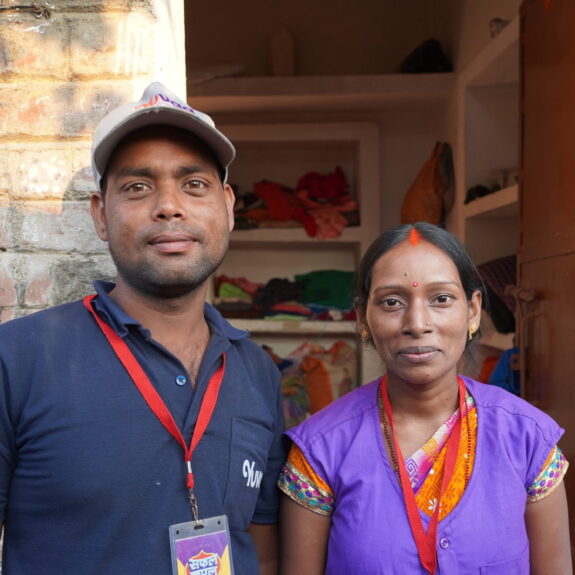
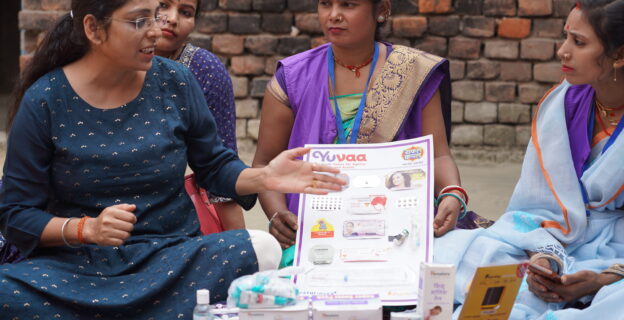
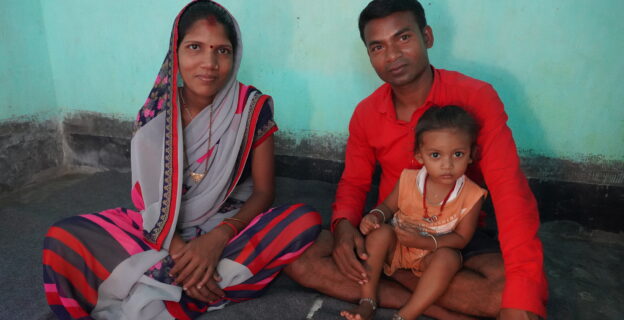
Decoding YUVAA: Behavioral Perspectives on Family Planning in India (Phase 4) presents the compiled findings from the qualitative assessment of the YUVAA program, with a focus on recommendations for strengthening the family planning ecosystem, especially through fostering an enabling environment.
To understand each factor of the enabling environment, findings have been classified into three thematic areas – social and gender norms, further broken down into normative environments and social sanctions; the role and involvement of men with a deeper dive into their social networks and referents; and the factors that determine the participation of Mothers in Law in family planning. The takeaways highlight the significance of timing family planning support for young married couples to align with key decision-making moments and social pressures that they typically face. By providing timely support and addressing negative social sanctions during critical periods, interventions can have a greater impact on promoting family planning.
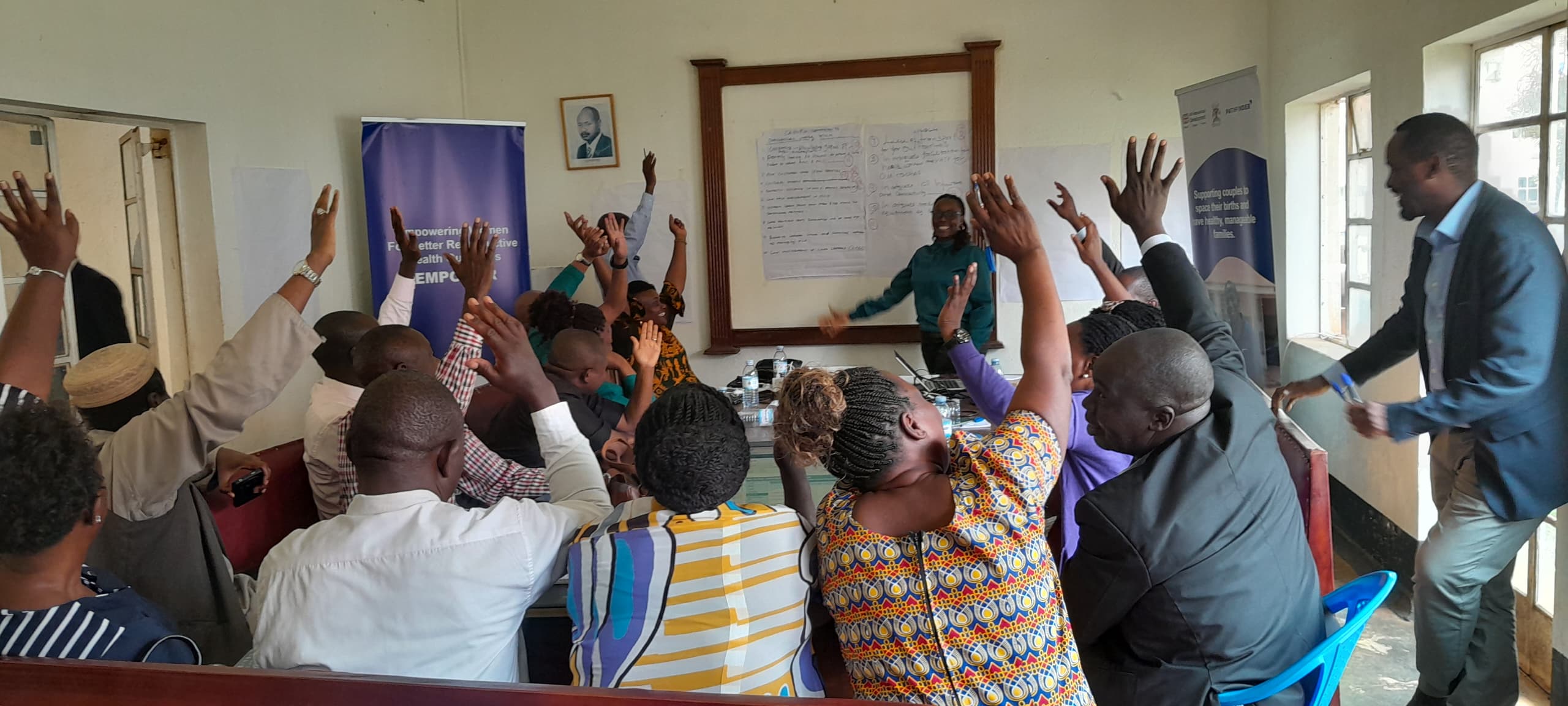
EMPOWER Uganda: Transforming Lives, Strengthening Systems
Cross-posted from our Country-Led in Action newsletter on LinkedIn. In Uganda, we often speak about systems strengthening, localization, and sustainable…
The Pulse of Country-led Progress: A Conversation with Dr. Amina Dorayi
After a hiatus in 2025, our LinkedIn Country-Led In Action newsletter is back! We explore how our country-led strategy translates into sustainable approaches that improve the health, resilience, and leadership of…
#16Days: A Climate-Resilient World is a Safer World
#16Days of Activism Against Gender-Based Violence Violence against women and girls is one of the most pervasive—and preventable—human rights violations…
From Training to Transformation: How Kano’s Health Workforce Mentorship Program is Saving Lives
Health workforce shortages plague Kano state’s health system in Nigeria, where for every 10,000 people, there are only 3 health workers available to provide care. This critical workforce…